
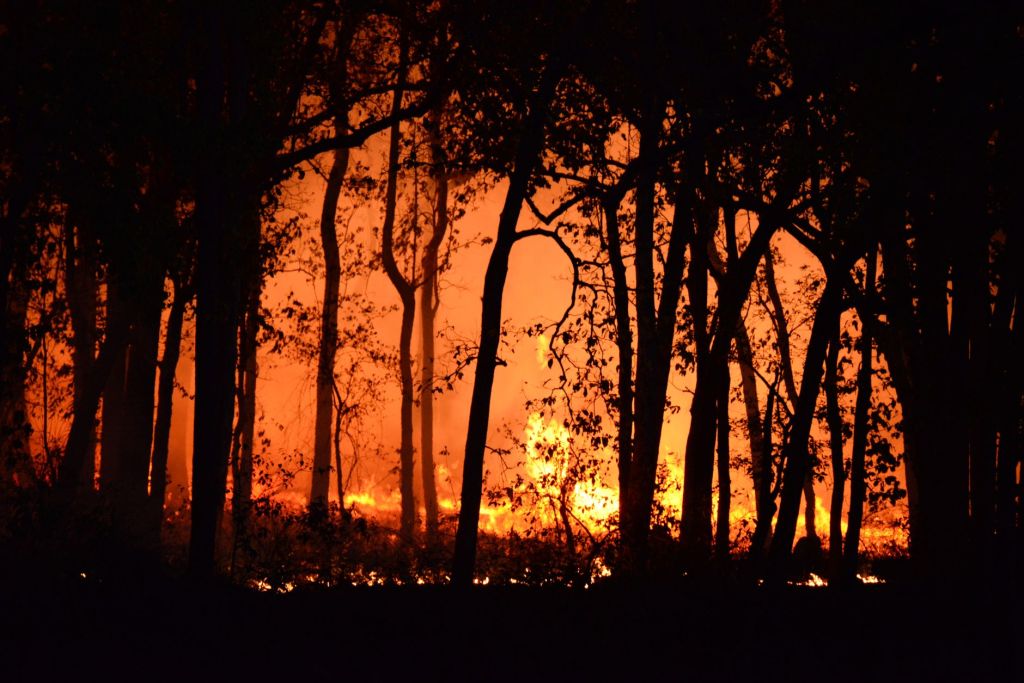
You Don’t Have to Live Next Door to a Wildfire to Feel Its Effects.
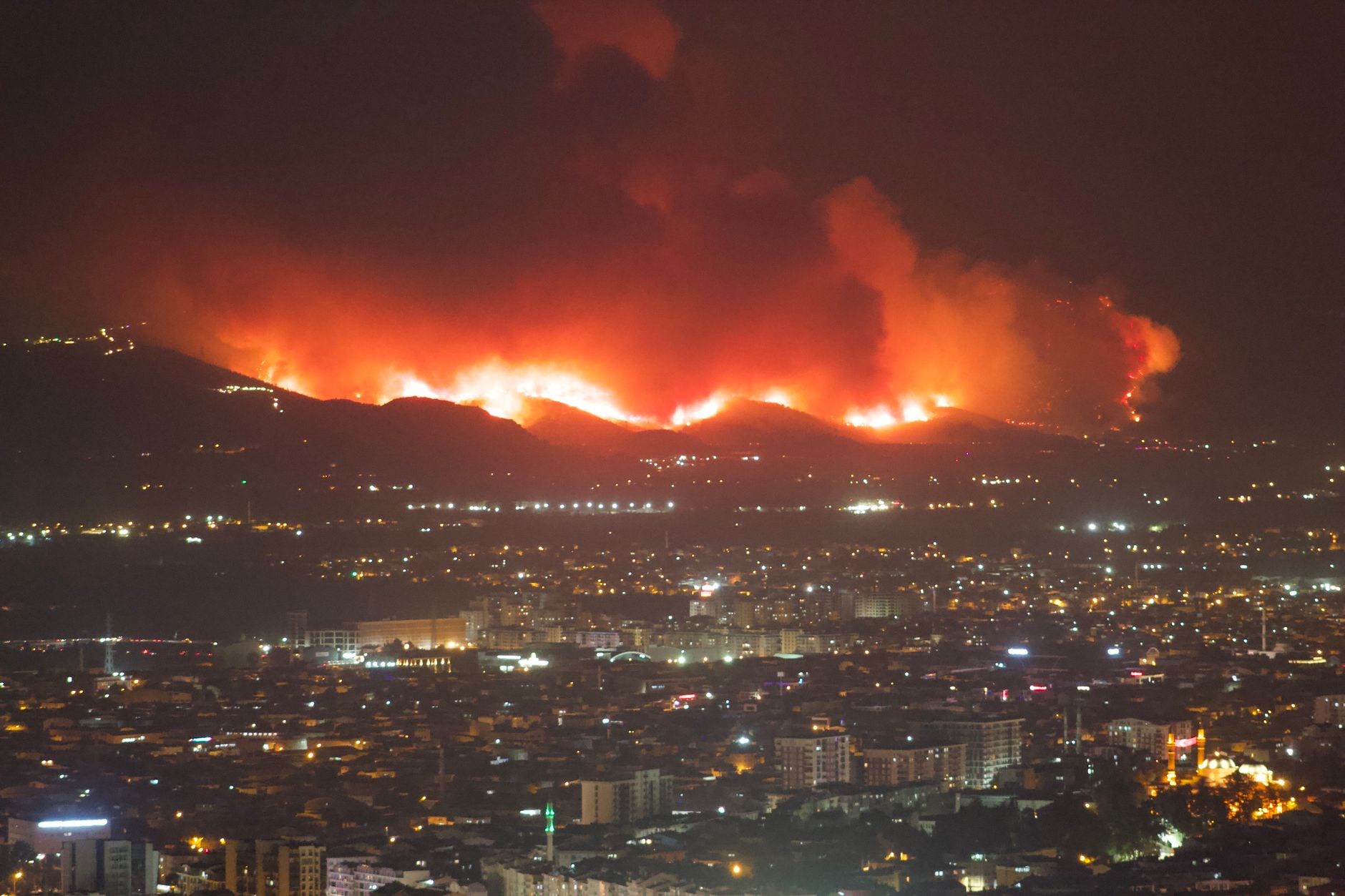
Smoke from wildfires can travel hundreds of miles, turning a distant wildfire into an air-quality concern for communities far away. For people already dealing with seasonal allergies, that smoky air can add another source of irritation to an already sensitive respiratory system.
How Wildfires Can Affect People With Allergies
1. Wildfire smoke can make allergy symptoms feel worse

Wildfire smoke contains extremely small particles that can irritate the eyes, nose, throat and respiratory system. For someone already dealing with seasonal allergies, that additional irritation can make symptoms feel significantly worse.
Someone may suddenly experience:
- More sneezing
- Runny or stuffy nose
- Postnasal drip
- Scratchy or irritated throat
- Watery, burning eyes
- Coughing
- Sinus irritation
- Increased mucus
- Difficulty breathing
2. Wildfire smoke can irritate the sinuses
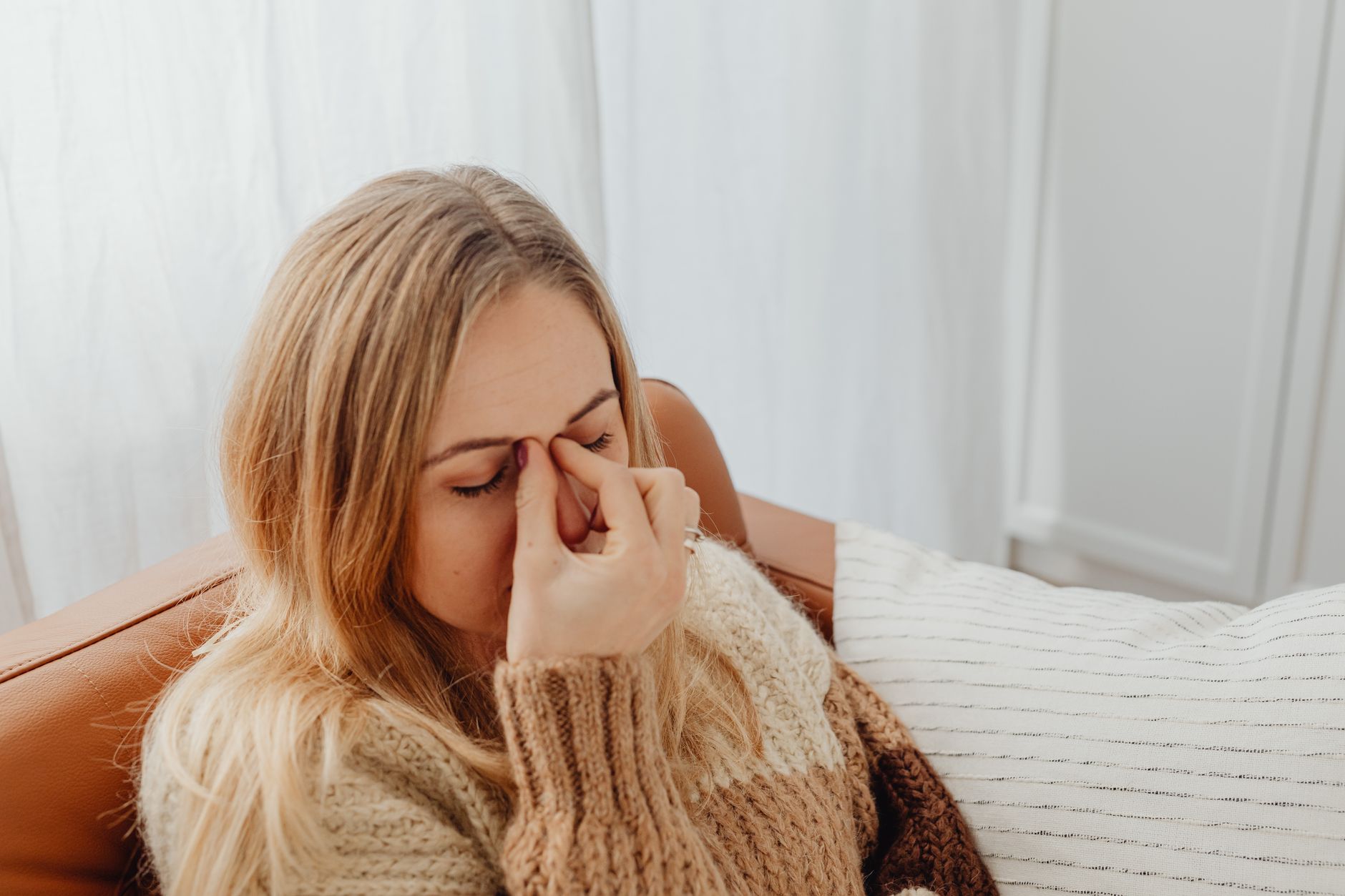
People with allergies already have irritated nasal passages. Adding smoke particles to the air can further irritate those tissues.
This can contribute to:
- Nasal congestion
- Runny nose
- Sinus pressure
- Sneezing
- Throat irritation
- Headaches associated with irritation or poor air quality
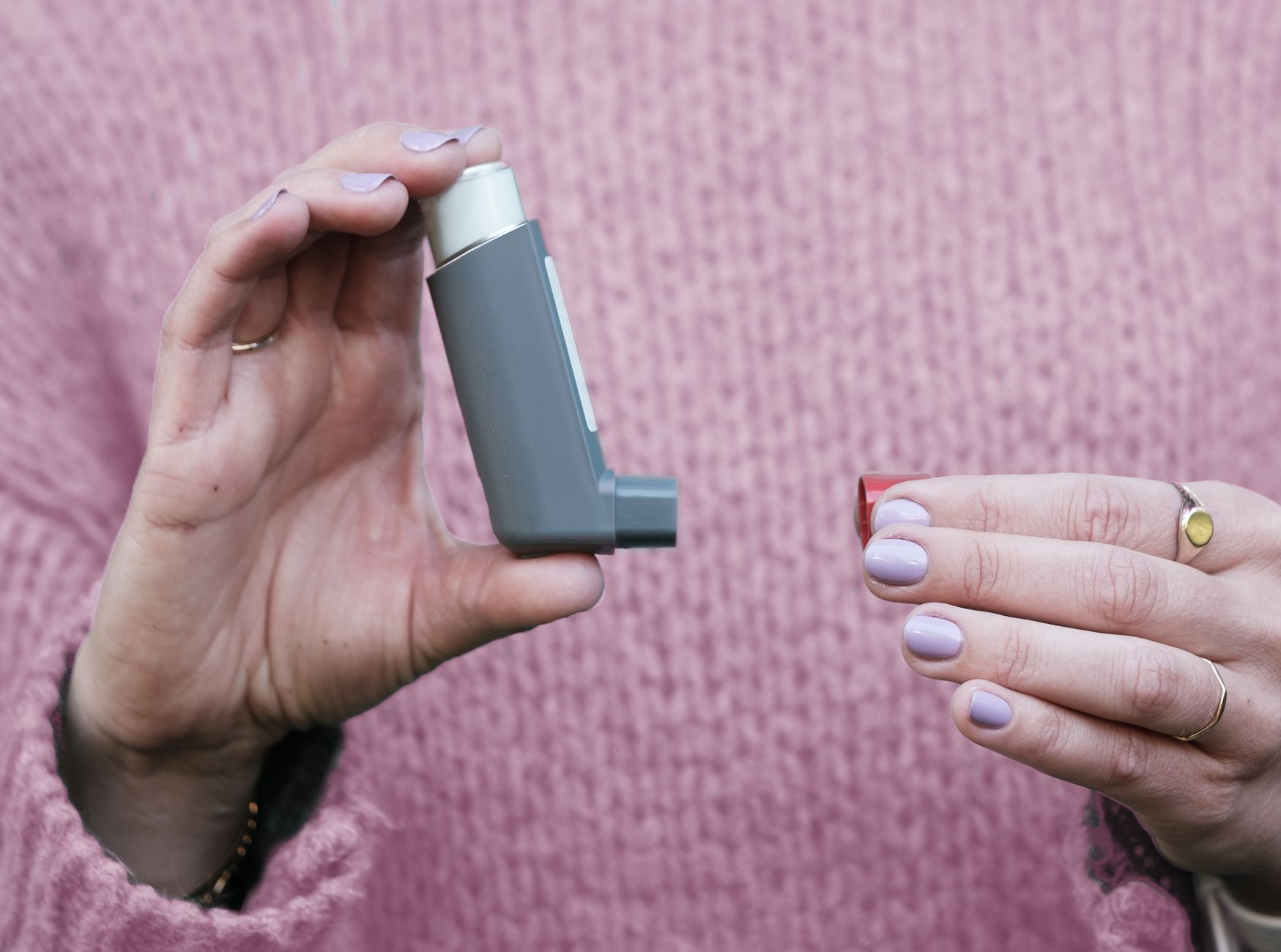
3. Smoke can aggravate asthma and other respiratory problems
4. Smoke can affect your eyes
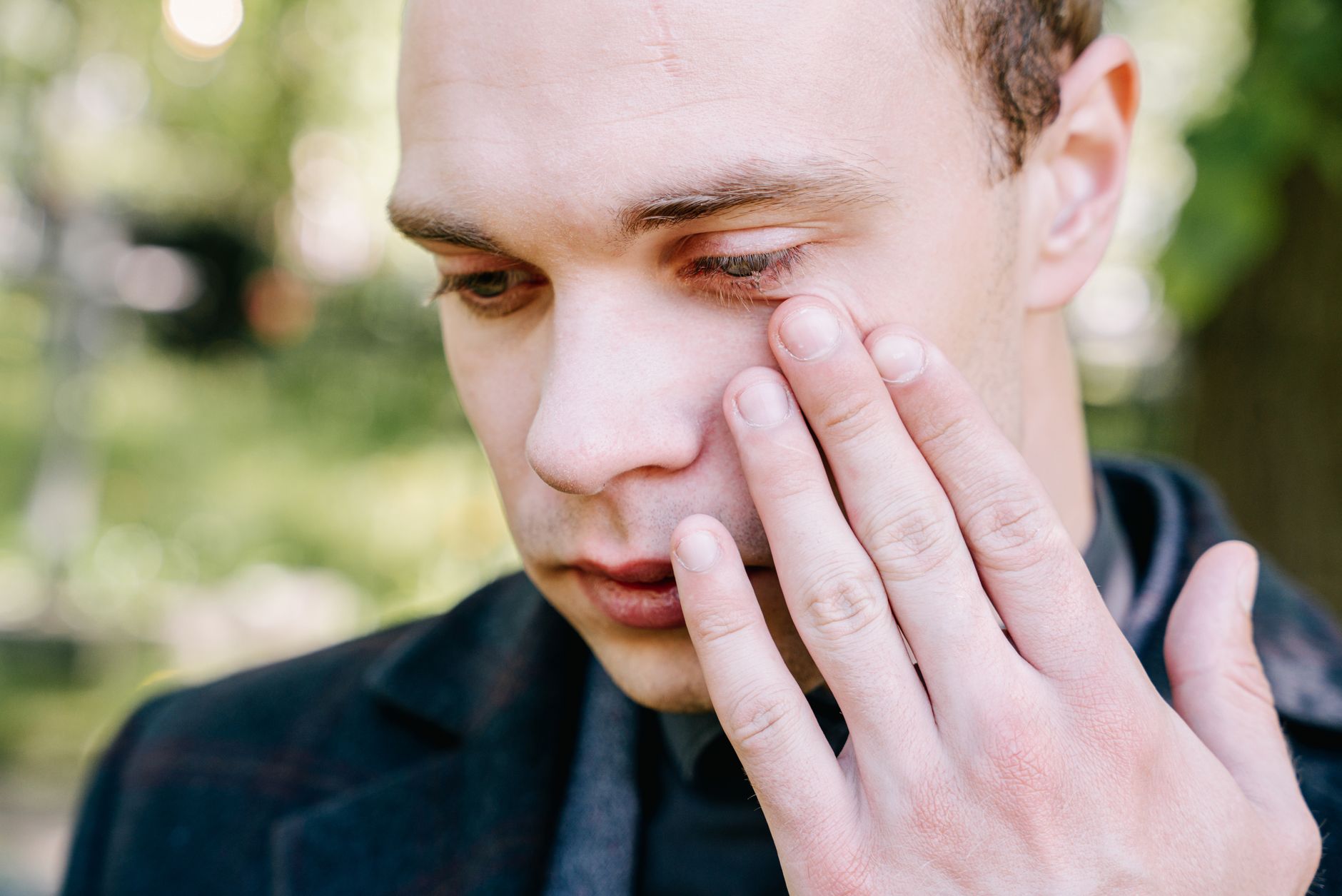
Allergy sufferers may already experience itchy and watery eyes during pollen season. Wildfire smoke can add another layer of irritation.
You may notice:
- Burning eyes
- Redness
- Watery eyes
- Increased sensitivity
- Itching or discomfort
5. Don’t assume a “smoky smell” is the only warning sign
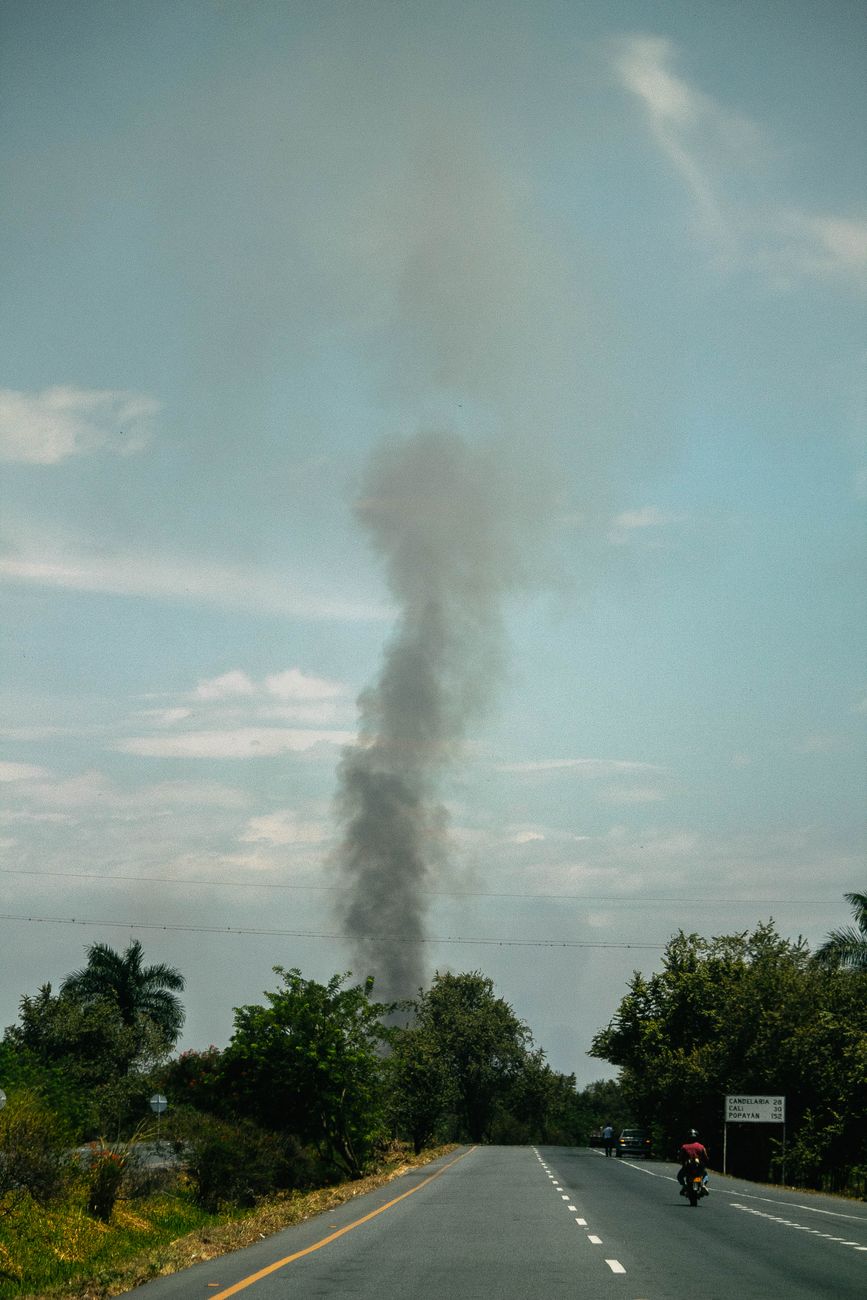
You don’t have to smell smoke for air quality to be unhealthy.
6. Staying inside doesn’t automatically mean you’re protected

Smoke from outside can enter homes and affect indoor air quality.
During smoky conditions, consider:
- Keeping windows and doors closed
- Using an appropriate HVAC filter
- Using a portable air cleaner
- Reducing activities that bring outdoor air inside
- Checking indoor air quality when possible
Create an Allergy-Safe Home During Smoke Events When Smoke Levels are elevated:
DO:
- Check the AQI before spending extended time outdoors.
- Keep windows and doors closed when advised.
- Use air filtration indoors.
- Reduce strenuous outdoor activity.
- Follow your healthcare provider’s instructions if you have asthma or another respiratory condition.
- Keep necessary medications available.
DON’T:
- Exercise outdoors simply because you don’t see visible smoke.
- Assume being indoors eliminates exposure.
- Ignore worsening respiratory symptoms.
- Rely only on the smell of smoke to determine air quality.
Wildfires may begin hundreds or even thousands of miles away, but their effects do not always stay at the fire line. As we have seen with the recent fires in Canada and Washington State, smoke can travel long distances and impact air quality far beyond the communities experiencing the flames. For people living with seasonal allergies, asthma, or sensitive respiratory systems, that smoke can add another layer of irritation to an already challenging allergy season.
The most important thing we can do is pay attention, be informed, and protect our air. Check the Air Quality Index, monitor smoke conditions, limit outdoor exposure when air quality is poor, and take steps to keep indoor air as clean as possible.
We cannot always control where a wildfire starts or where the smoke travels, but we can take steps to reduce our exposure and listen to what our bodies are telling us.
Write For Us!
Are you passionate about helping others navigate life with allergies? We’re looking for guest blog writers to share their experiences, tips, or expert advice with our allergy community. Whether you’re a parent, allergy sufferer, healthcare professional, or just someone with a story to tell, your voice matters. Join us in spreading awareness, support, and practical insights—one blog post at a time!


Leave a Reply