
Wildfires are nothing new, but the images of flames, evacuations, destroyed homes, and smoke-filled skies seem to be appearing more and more often. From the historic fires around the Okefenokee Swamp in Georgia to the devastating Smoky Mountain fires in 2016, and now the recent fires in Fargo, Georgia, Washington State, and Canada, wildfires have a way of reminding us just how powerful nature can be. But there is another part of these fires that deserves our attention: the smoke. You don’t have to live next door to a wildfire or even in the same state or country to feel its effects. Wildfire smoke can travel hundreds and even thousands of miles, affecting the air we breathe and potentially making allergy, sinus, eye, and respiratory symptoms worse. For those of us who already struggle with allergies, understanding what is happening in the air around us is an important part of protecting our health.
1. Fargo, Georgia / Pineland Road Fire, 2026
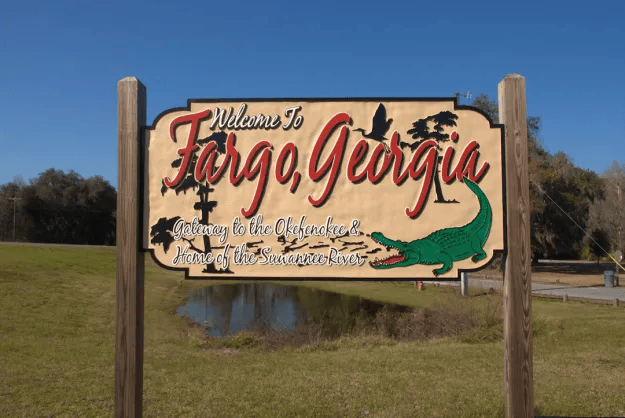
The fire associated with Fargo, Georgia, was the Pineland Road Fire, which began in Clinch County near Fargo.
- Started: April 18, 2026, shortly before 5 p.m.
- Location: Clinch and Echols counties, approximately 13 miles northwest of Fargo
- Cause: A stray spark from a welding operation ignited vegetation.
- Size: Approximately 32,000–32,500 acres at its peak.
- Containment: Eventually reached 100% containment.
- Structures: At least 36 structures were reported lost in an April 26 National Interagency Coordination Center report.
- Evacuations: Mandatory evacuations were ordered in parts of Echols County.
- Firefighters/resources: More than 170 personnel were assigned during one major operational period.
- Estimated cost: Approximately $3 million by April 27.
- Weather conditions: Extreme drought, low humidity, dry vegetation and strong winds contributed to rapid growth.
- Smoke: Smoke impacts were expected in Fargo, Valdosta, Homerville and surrounding areas.
One particularly striking statistic: the fire grew from a relatively small ignition to more than 32,000 acres in roughly a week.
2. Okefenokee/Georgia Bay Complex, 2007
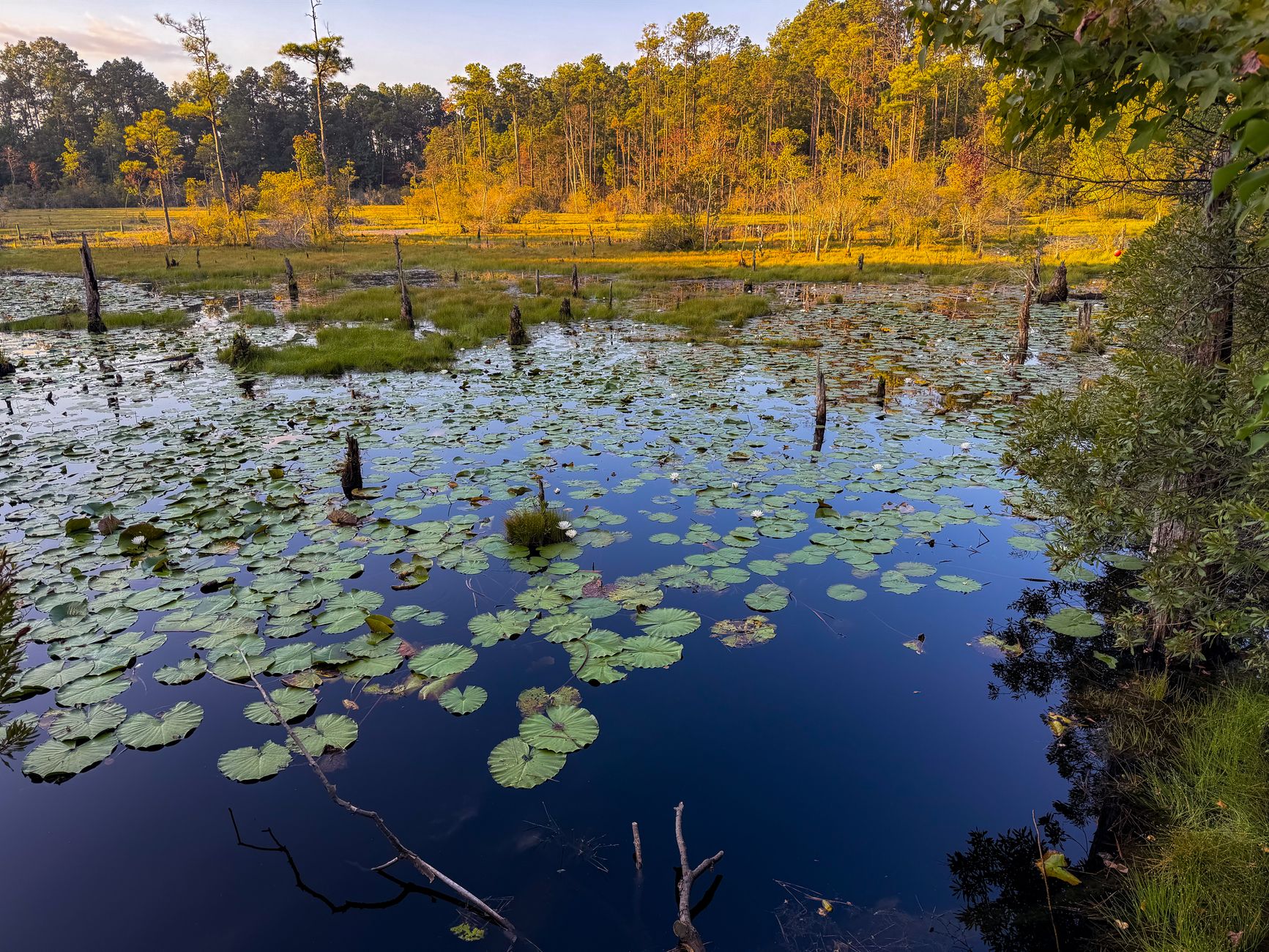
- Year: 2007
- Fire period: April–June 2007
- Total area burned: More than 564,000 acres across Georgia and Florida.
- Georgia portion: Approximately 441,705 acres
- Homes destroyed: 9 homes, according to Georgia emergency management records.
- People involved in firefighting: More than 3,300 people from 44 states assisted.
- Georgia fire-control expenditures: More than $62 million during FY2007.
- Cause: The complex involved multiple fires. One major component began after a tree fell onto a power line, while the Bugaboo fire itself was ignited by lightning.
- Smoke: Smoke spread across large portions of Georgia and Florida and reached much farther away.
- Highway impacts: Interstate highways and other major roads were temporarily closed because of smoke and poor visibility.
The Georgia Forestry Commission described the 2007 event as the largest single wildfire in the history of the southeastern United States at that time.
3. Great Smoky Mountains/Gatlinburg Fire, 2016
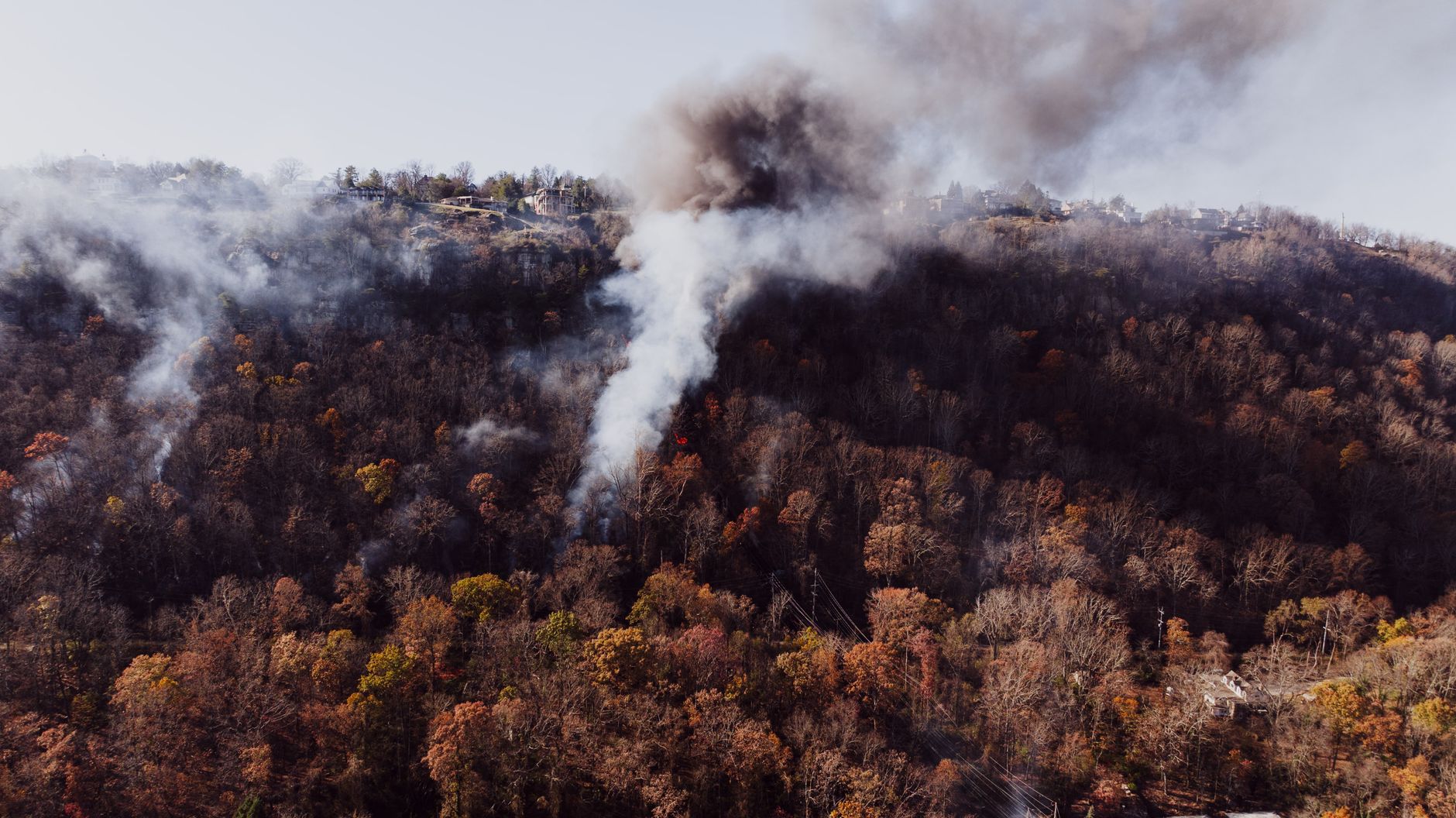
The 2016 Great Smoky Mountains wildfires are an important example because the consequences weren’t limited to forests—they directly affected communities.
- Date: November 2016
- Location: Great Smoky Mountains National Park and Sevier County, Tennessee
- Major fire: Chimney Tops 2 Fire
- Total area: Approximately 17,900 acres
- Structures destroyed: Approximately 2,460
- Deaths: 14 people
- Injuries: Approximately 190
- Evacuations: More than 14,000 residents and tourists
- Economic damage: Estimated at approximately $2 billion
- Cause: The Chimney Tops 2 fire was determined to have been deliberately set; two juveniles were charged with aggravated arson.
The fire became particularly destructive because strong winds, drought and extremely dry vegetation allowed the flames to spread rapidly toward Gatlinburg and surrounding communities.
4. Canada, 2026
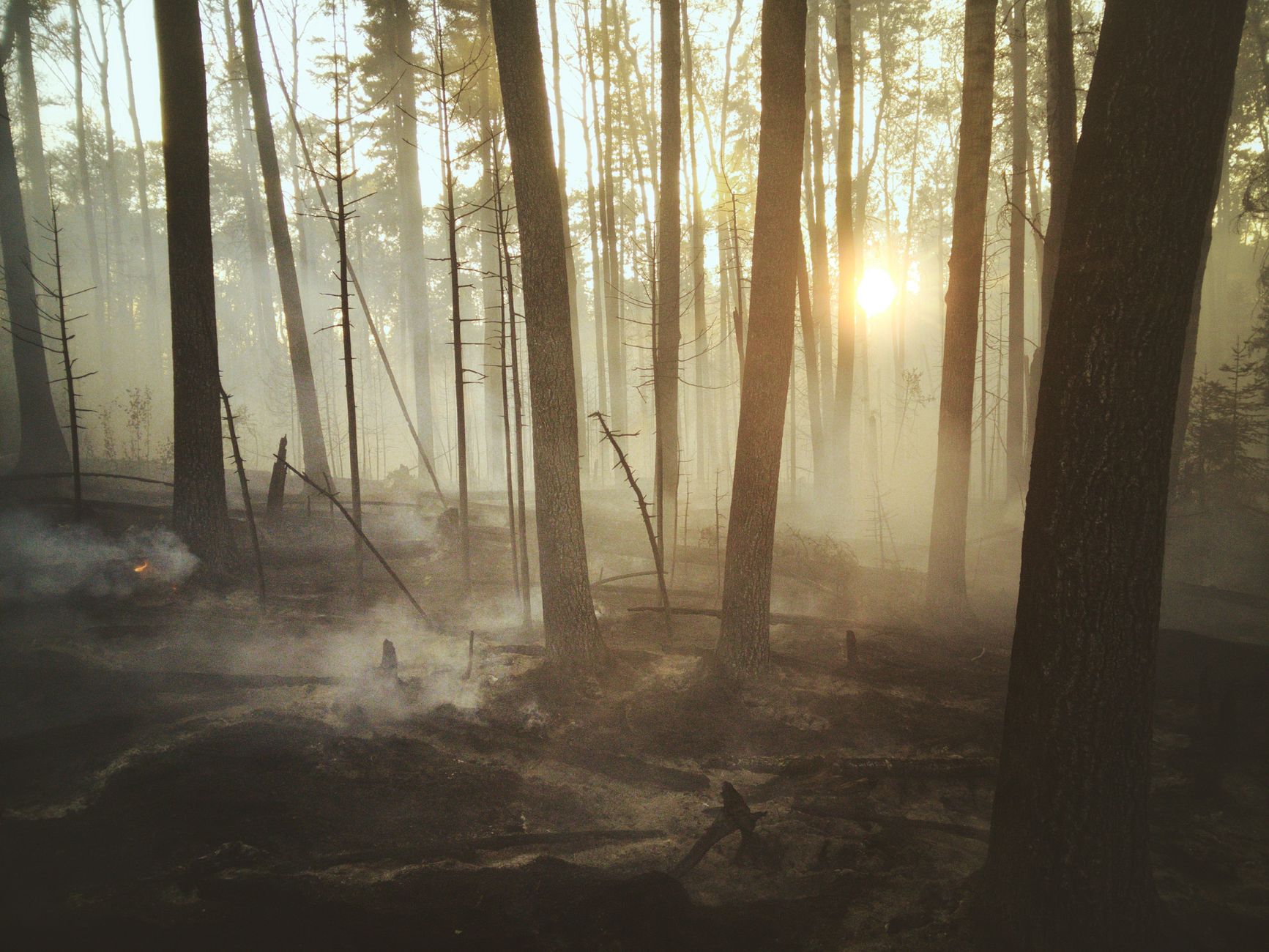
Canada’s 2026 numbers are still changing because the fire season is ongoing.
As of July 9, 2026, the Government of Canada reported:
- 3,137 wildfires
- Approximately 1.4 million hectares burned
- 796 active wildfires
- 60 fires classified as out of control
- 2026 activity at that point was still below the five-year average.
- By comparison, at the same point in 2025, approximately 4.61 million hectares had burned.
The Bald Range Fire in British Columbia became one of the most devastating fires of the summer.
- Began: August 7, 2026
- Approximately 150 structures were destroyed or damaged
- More than 20,000 people evacuated
- Approximately 2,200 remained under evacuation orders in a subsequent update
- Another 25,000 people remained on evacuation alert
- At least one death
- Prolonged drought and extremely dry conditions contributed to rapid fire growth.
Did any of these fires affect you? We’d like to hear about it.
Write For Us!
Are you passionate about helping others navigate life with allergies? We’re looking for guest blog writers to share their experiences, tips, or expert advice with our allergy community. Whether you’re a parent, allergy sufferer, healthcare professional, or just someone with a story to tell, your voice matters. Join us in spreading awareness, support, and practical insights—one blog post at a time!


Leave a comment